DATE
08/08/2025
Bridging the Gap to Green Infrastructure
The municipal government for Wisconsin’s capital city, committed to expanding the local clean-energy contractor pipeline and supporting inclusive economic development through sustainable infrastructure projects.
Government
Social Impact Support
Campaign Management
Program Management
Digital Marketing Execution
Stakeholder & Audience Mapping
Services
Program Launch Planning & Delivery
Category
Government
Client
City of Madison

Analysis
Adoption was not the issue. Access, readiness, and execution were.
Small and emerging contractors across Madison were already interested in participating in public works and government funded programs. However, most lacked the systems, knowledge, and support required to navigate public-sector opportunities.
Common barriers included:
No insurance or required certifications (MBE, DBE, etc.)
Limited or no bookkeeping, CRM, or estimating systems
Minimal digital presence
No experience navigating RFPs, applications, or procurement processes
Previous efforts had focused primarily on awareness and certification through presentations and workshops led by community organizations and procurement groups. While these efforts increased interest, they did not translate into participation. Contractors were left without clear next steps or ongoing support.
The challenge was not recruitment. It was the absence of a structured system to move contractors from interest to readiness.
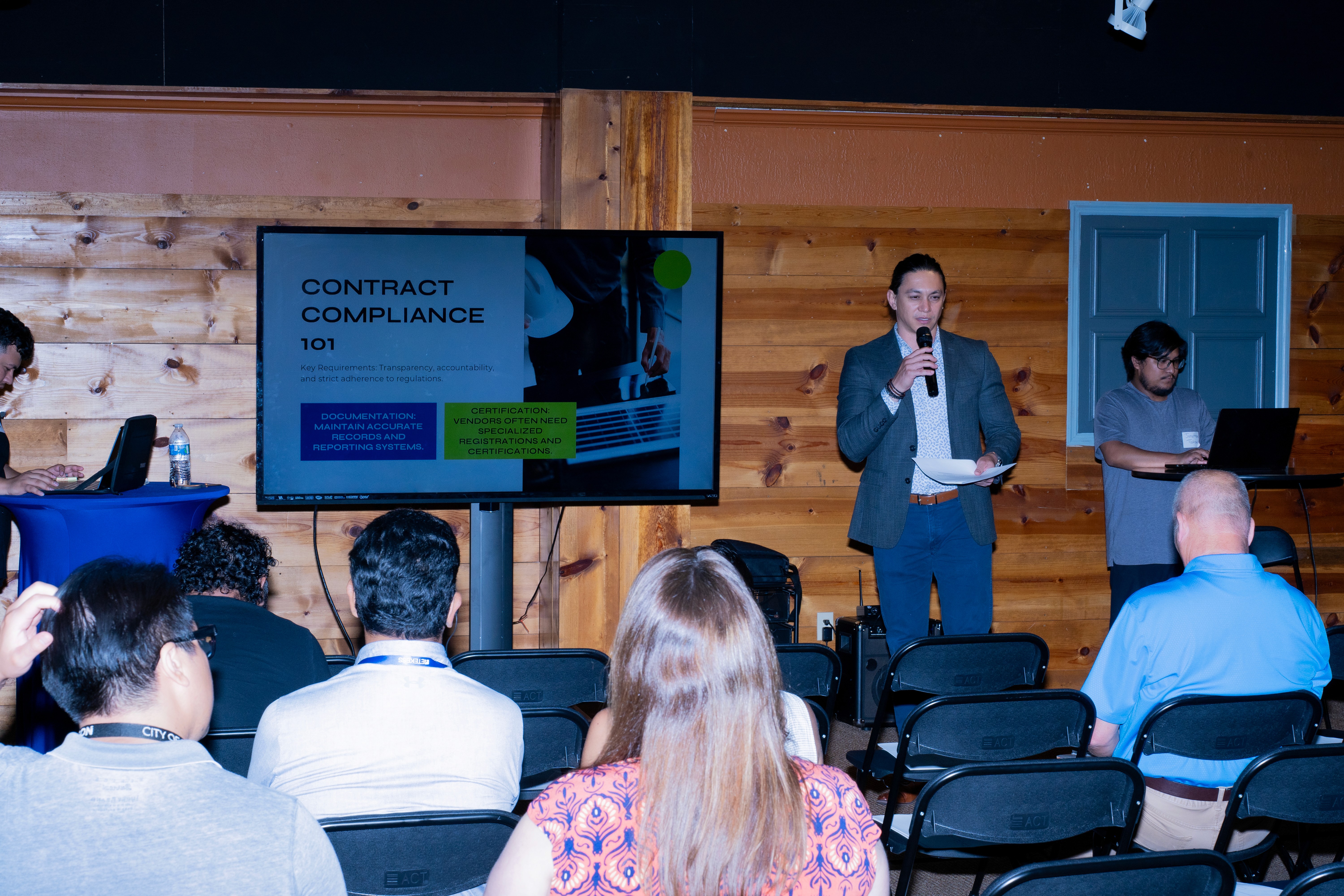
To address this, Adapt served as the end-to-end operator for the Pathway to Energy Efficiency program. Rather than treating outreach, education, and consulting as separate efforts, the program was designed as a continuous system that guided participants from initial engagement through verified readiness.

Problem
The City of Madison required a delivery partner capable of addressing long-standing gaps within the local contractor ecosystem.
Despite available funding and opportunities, many qualified contractors remained excluded from public-sector work due to systemic barriers. Certification programs existed, but they stopped short of helping contractors apply that certification in real-world contexts.
As a result:
Contractors were certified but not competitive
Opportunities were available but not accessible
Public investment was not fully reaching its intended audience
The core issue was not a lack of talent. It was a lack of infrastructure, guidance, and follow-through.
Solution
Adapt designed and implemented a structured, system-based approach to move contractors from awareness to verified readiness.
The program began with a targeted recruitment strategy that combined paid outreach, partnerships with community organizations, and direct engagement with existing networks. This resulted in approximately 200 contractors reached, with a 90 percent conversion rate into the program.
From there, participants entered a guided, multi-phase process:
Phase 1: Assessment and Strategy
Each contractor completed a business audit and SWOT analysis to identify operational, financial, and marketing gaps.
Phase 2: Compliance and Foundations
Participants were supported through certification processes, insurance requirements, and documentation needed to qualify for public-sector opportunities.
Phase 3: Systems and Growth
Contractors were introduced to core business systems, including CRM tools, pricing strategies, and sales processes to improve competitiveness and sustainability.
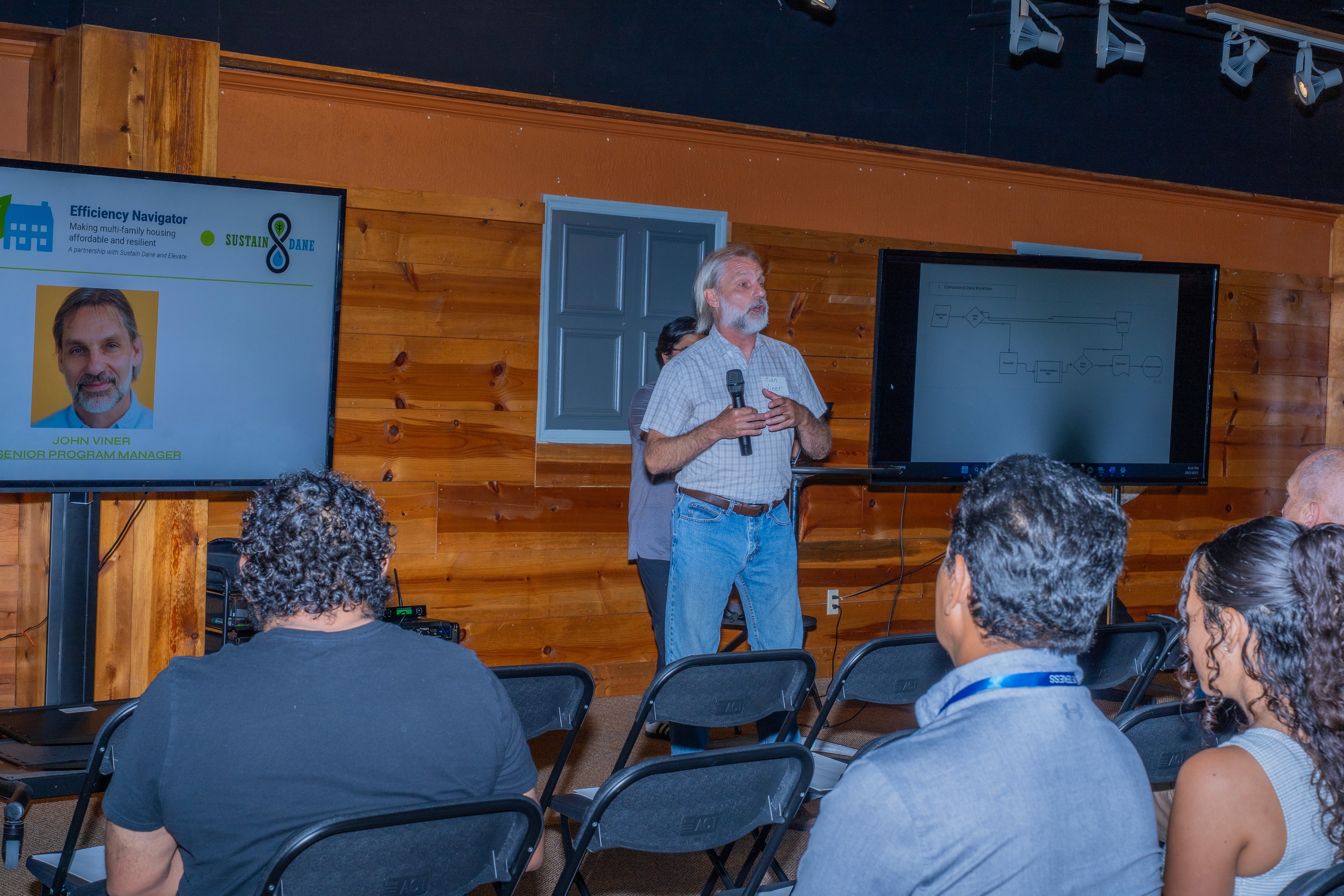
This structure was delivered through a combination of a centralized bilingual workshop and 12 weeks of individualized consulting. One-on-one sessions allowed for tailored support, recognizing that each contractor operated at a different stage of business maturity.
Throughout the program, Adapt managed all communications, progress tracking, and reporting using a centralized system built on Monday.com and shared documentation tools. This ensured consistency, accountability, and transparency for both participants and the City.
Differentiation
Adapt’s approach differs from traditional programs by addressing the full lifecycle of contractor readiness.
Most initiatives focus on a single stage, such as awareness or certification. This program was designed as an integrated system that connects outreach, education, and execution.
Adapt’s ability to deliver this model is rooted in:
Direct experience supporting small and emerging businesses
A deep understanding of systemic barriers facing BIPOC contractors
Bilingual and culturally aligned engagement strategies
Proven experience navigating RFPs and public-sector processes
This combination allowed Adapt to operate not just as a service provider, but as a bridge between policy and participation.